
Comparer les modèles
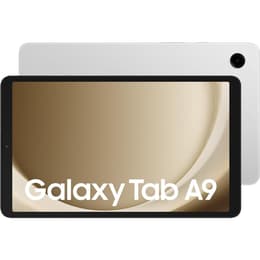
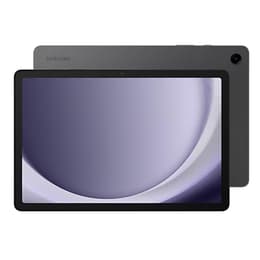
Galaxy Tab A9 (8.7", 2023) vs Galaxy Tab A9+ (11.0", 2023)
- Garantie commerciale de 12 mois
- Livraison standard offerte
- Retour gratuit sous 30 jours
Aperçu des différences
The Samsung Galaxy Tab A9 (2023) and Galaxy Tab A9+ (2023) are versatile Android tablets designed to cater to everyday digital tasks like web browsing, streaming, and light productivity. While both models share a modern software foundation and similar release timelines, they diverge significantly in physical footprint, screen estate, and hardware capabilities. Choosing between them largely depends on whether portability or a larger viewing area is your primary requirement.
Modèles disponibles
Couleur
Stockage
Scores
Durabilité
Both devices launched simultaneously in late 2023 and run on the Android operating system with manufacturer software updates, ensuring a comparable multi-year software support lifecycle.
- Software longevity: Both tablets receive regular security patches and operating system updates from Samsung, maintaining system security over several years of use.
- Build and maintenance: The metallic unibody designs offer standard durability for daily handling, though neither device features official water resistance ratings.
- Expected lifespan: Users can anticipate stable multi-year operation for standard media consumption and web browsing tasks before experiencing significant hardware slowdowns.
Année de sortie
2023
2023
Compatible dernière mise à jour
Oui
Oui
Système d'exploitation
Android
Android
Performances
The two models handle day-to-day multitasking and application loading differently due to distinct internal hardware configurations and memory capacities.
- Multitasking capacity: The larger model offers higher RAM configurations that handle running multiple apps simultaneously and switching between browser tabs more smoothly.
- Application responsiveness: Both devices open everyday social media and streaming apps reliably, though demanding gaming applications run with higher frame rate stability on the plus variant.
- Battery behavior: The compact model utilizes a smaller battery suited for casual use, whereas the plus model incorporates a larger cell capacity to support its expanded screen size through a full day of mixed usage.
Qualité de l'écran
Display characteristics represent one of the most substantial differences when comparing these two portable devices for daily media consumption.
- Panel technology and size: The compact version features an 8.7-inch display optimized for single-handed holding, while the plus model provides an expansive 11.0-inch screen that creates a more immersive viewing environment.
- Visual smoothness: The larger variant supports a 90Hz refresh rate for smoother scrolling through web pages and documents, compared to the standard 60Hz rate on the smaller model.
- Resolution clarity: Both screens use TFT LCD technology, but the higher pixel resolution on the larger model delivers sharper text and finer detail for reading and watching videos.
Résolution
800 x 1340
1200 x 1920
Type d'écran
TFT LCD
TFT LCD
Densité des pixels
180ppp
210ppp
Audiovisuel
Neither tablet prioritizes advanced photography, but both include standard sensor configurations suitable for casual documentation and virtual communication.
- Rear camera capture: Both devices feature an 8-megapixel primary rear sensor capable of capturing legible document scans and basic snapshots in adequate lighting conditions.
- Front-facing optics: The larger model includes a slightly higher-resolution front camera that improves clarity for video calls and online meetings.
- Media and audio output: The plus model is equipped with a quad-speaker system delivering a fuller soundstage for movies and music, while the compact model relies on dual speakers.
Divers
Practical daily usability is influenced by physical dimensions, connectivity options, and peripheral support across both device variants.
- Portability and weight: The compact model weighs significantly less and slips easily into small bags, whereas the larger model requires more carrying space but provides a roomier workspace.
- Connectivity flexibility: Both variants are available in versions supporting standard wireless networks or cellular data connectivity for internet access on the go.
- Expansion options: Each tablet includes a dedicated memory card slot allowing users to expand local storage capacity for offline media files.
Poids (en grammes)
332 g
250 g
Taille écran (pouces)
8.7
11.0
Réseau
WiFi
WiFi
Verrouillage opérateur
Débloqué tout opérateur
Sans port SIM
Connecteur
USB Type-C
USB Type-C
L’avis de la communauté
User feedback on community forums highlights distinct preferences for each device based on everyday use cases. Owners of the Galaxy Tab A9 frequently praise its pocket-friendly dimensions and light weight, making it a convenient tool for reading books or checking emails while commuting. Conversely, users of the Galaxy Tab A9+ often emphasize the advantages of the larger screen and quad-speaker arrangement, noting that it provides a more comfortable setup for watching movies, attending virtual classes, and managing split-screen multitasking. Common criticisms for both models focus on moderate charging speeds and standard screen brightness levels under direct sunlight.
Users prioritizing maximum portability and single-handed comfort may prefer the compact Galaxy Tab A9, while users prioritizing screen space, smoother scrolling, and enhanced media consumption will lean toward the larger Galaxy Tab A9+. Choosing a quality-assured refurbished option through sustainable platforms like Back Market provides an eco-friendly alternative that extends device life cycles without compromising on performance reliability. Ultimately, matching the device dimensions and hardware capabilities to your daily routine ensures a satisfying long-term experience.