
Galaxy A56 vs Google Pixel 8

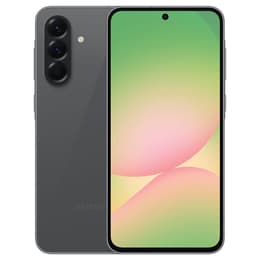
Galaxy A56
Galaxy A56
À partir de

Prix reconditionné :337,00 €

contre 502,00 € neuf

Voir les options
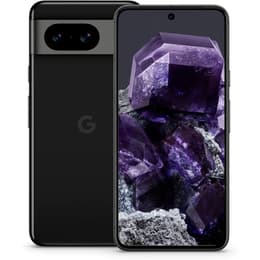
Google Pixel 8
Google Pixel 8
À partir de

Prix reconditionné :292,00 €

contre 819,97 € neuf

Voir les options

Notes

The Samsung Galaxy A56, released in March 2025, and the Google Pixel 8, launched in October 2023, are both Android smartphones designed to offer a balanced experience for everyday users. While the Galaxy A56 focuses on a larger display and extended battery life, the Pixel 8 emphasizes advanced computational photography and a longer software support commitment. Both devices run on the Android operating system, providing access to a wide ecosystem of applications and services.

Scores

Durabilité

When considering the long-term usability of these devices, their release timelines and software support policies are key factors. The Galaxy A56, being the newer device, benefits from a more recent starting point for its update cycle, while the Pixel 8 offers an exceptionally long support period.

  • Software Support: The Google Pixel 8 stands out with a commitment to seven years of operating system, security, and feature updates from its release date, extending its usability well into the future. The Samsung Galaxy A56 is promised six years of operating system updates and security patches, which is also a substantial duration for an Android device.
  • Physical Durability: Both phones offer robust build quality. The Galaxy A56 features an aluminum frame and Corning Gorilla Glass Victus+ on both the front and back, along with an IP67 rating for dust and water resistance. The Pixel 8 includes Gorilla Glass Victus for its display and carries an IP68 rating, indicating slightly better water immersion protection.
  • Practical Lifespan: Users can expect both devices to remain functional and secure for many years. The Pixel 8's extended software support means it will receive new features and security updates for a longer period, potentially making it a more future-proof option for those who keep their phones for an extended time.

Année de sortie

2025

2023

Compatible dernière mise à jour

Oui

Oui

Système d'exploitation

Android

Android

Pliable

Non

Non

Performances

The performance of a smartphone is crucial for daily tasks, from navigating apps to handling more demanding activities. Both the Galaxy A56 and the Pixel 8 are equipped with custom-designed processors, offering distinct performance profiles.

  • Processing Power: The Galaxy A56 is powered by Samsung's Exynos 1580 processor, which provides a smooth experience for general use and multitasking. It handles everyday applications efficiently, though some users might find its performance modest for intensive gaming. The Google Pixel 8 features the Tensor G3 processor, designed by Google, which excels in artificial intelligence tasks and offers responsive performance across various applications, including demanding ones.
  • Multitasking and Storage: Both devices come with ample RAM options, typically 8GB or 12GB for the Galaxy A56 and 8GB for the Pixel 8, ensuring smooth transitions between apps. Storage options for both include 128GB and 256GB, providing sufficient space for apps, photos, and media. Neither phone offers expandable storage via a microSD card.
  • Battery Behavior: The Galaxy A56 is equipped with a 5000 mAh battery, which consistently delivers excellent endurance, often lasting up to two days with mixed usage and achieving over 11 hours of screen-on time in tests. The Pixel 8, with its 4575 mAh battery, offers good battery life for a full day of mixed use, typically providing 8-10 hours of screen time, though heavy users might require an afternoon charge.

Mémoire (Go)

8 Go

8 Go

Qualité de l'écran

The display is a primary interface for any smartphone, and both the Galaxy A56 and Pixel 8 offer vibrant and clear viewing experiences, though with differences in size and specific technologies.

  • Display Technology and Clarity: The Samsung Galaxy A56 features a larger 6.7-inch Super AMOLED display, known for its deep blacks and vibrant colors, with a Full HD+ resolution. The Google Pixel 8 has a slightly more compact 6.2-inch OLED 'Actua display' also offering Full HD+ resolution, which provides sharp visuals and rich contrast.
  • Brightness and Refresh Rate: Both phones offer high peak brightness levels, with the Galaxy A56 reaching up to 1900 nits and the Pixel 8 up to 2000 nits, ensuring good visibility even in bright outdoor conditions. Both displays also support a 120Hz refresh rate, contributing to smoother scrolling and more fluid animations.
  • Viewing Experience: The larger screen of the Galaxy A56 may appeal to users who prioritize media consumption or require more screen real estate for productivity. The Pixel 8's slightly smaller size makes it more manageable for one-handed use, while still delivering a high-quality visual experience.

Résolution

1080 x 2340

1080 x 2400

Type d'écran

Super AMOLED

OLED

Audiovisuel

Both the Galaxy A56 and the Google Pixel 8 offer capable camera systems, each with its strengths in capturing photos and videos for various situations.

  • Rear Camera Systems: The Galaxy A56 features a versatile triple-camera setup, including a 50-megapixel main sensor with optical image stabilization (OIS), a 12-megapixel ultrawide lens, and a 5-megapixel macro camera. The Pixel 8 comes with a dual-camera system, comprising a 50-megapixel main sensor with OIS and a 12-megapixel ultrawide camera that also supports autofocus and a macro mode.
  • Photography Performance: The Galaxy A56 excels in daylight photography, producing images with good detail, natural color accuracy, and balanced exposure. It also includes AI features like Object Eraser for photo editing. The Pixel 8 is renowned for its computational photography, consistently delivering excellent image quality with natural colors, wide dynamic range, and strong low-light performance across its main and ultrawide lenses.
  • Video and Front Camera: Both devices are capable of recording video at 4K resolution at 30 frames per second with their main cameras. The Galaxy A56 has a 12-megapixel front camera, while the Pixel 8 features a 10.5-megapixel front camera. The Pixel 8's front camera is fixed-focus, whereas the A56's offers an upgraded quality for selfies and video calls.

Caméra principale

4K@30fps

50 megapixels

Caméra frontale

13 megapixels

10.5 megapixels

Divers

Beyond the core specifications, several other features contribute to the overall user experience and practical utility of these smartphones.

  • Connectivity and Ports: The Galaxy A56 supports Wi-Fi 6 and Bluetooth 5.4, offering reliable wireless connections. It features a USB-C port, though it operates at USB 2.0 speeds. The Google Pixel 8 supports the newer Wi-Fi 7 standard and Bluetooth 5.3, providing potentially faster and more stable wireless performance. Its USB-C port operates at USB 3.2 speeds, allowing for quicker data transfers. Both devices offer 5G connectivity.
  • Biometric Security and Audio: For security, the Galaxy A56 includes an in-display optical fingerprint sensor. The Pixel 8 offers both an in-display fingerprint scanner and facial recognition for unlocking. Both smartphones are equipped with stereo speakers, providing a more immersive audio experience for media consumption.
  • Design and Handling: The Galaxy A56 has dimensions of 162.2 x 77.5 x 7.4 mm and weighs 198 grams, offering a substantial feel. The Pixel 8 is more compact at 150.5 x 70.8 x 8.9 mm and weighs 187 grams, making it slightly lighter and easier to handle for some users.

Poids (en grammes)

197 g

187 g

Taille écran (pouces)

6.5

6.2

Réseau

5G

5G

Carte SIM

Double SIM physique + eSIM

SIM physique + eSIM

Verrouillage opérateur

Débloqué tout opérateur

Débloqué tout opérateur

The Samsung Galaxy A56 and Google Pixel 8 each present a compelling package, catering to slightly different user preferences. User feedback for the Galaxy A56 often highlights its impressive battery life and vibrant display as strong points, making it a reliable companion for extended use. Some users appreciate its robust build and the inclusion of Samsung's AI camera features. Conversely, some might find its processor performance adequate but not exceptional for very demanding tasks.

The Google Pixel 8 receives praise for its exceptional camera capabilities, particularly its computational photography and consistent image quality across various lighting conditions. Its long software support commitment is also a significant advantage for users seeking longevity. However, some users have noted that its battery life, while good, may not match the endurance of some larger Android phones, and its compact size might not appeal to those who prefer a larger screen.

Users prioritizing a larger display and class-leading battery endurance may find the Galaxy A56 well-suited to their needs. Those who value a more compact device with advanced camera features and a longer commitment to software updates may lean toward the Google Pixel 8. Both devices represent quality-assured options, and considering a refurbished model can be an eco-friendly alternative for either choice.


Découvrez tous nos articles

Nos comparaisons récentes