

Comparer les modèles
Microsoft Surface Laptop 3 13" vs Microsoft Surface Pro 6 12"
- Garantie commerciale de 12 mois
- Livraison standard offerte
- Retour gratuit sous 30 jours
Aperçu des différences
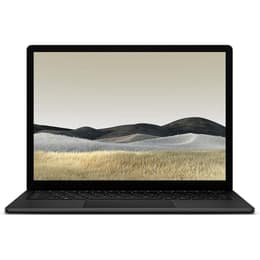
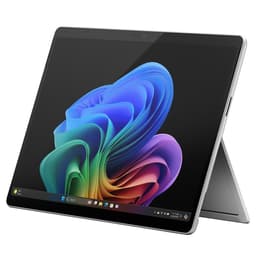
The Microsoft Surface Laptop 3 13" (2019) and the Microsoft Surface Pro 6 12" (2018) represent two distinct approaches to portable computing within the Windows ecosystem. While the Surface Laptop 3 functions as a traditional clamshell notebook, the Surface Pro 6 operates as a versatile 2-in-1 detachable tablet. Both run on the Windows operating system, offering a familiar environment, though their physical form factors set them apart for different usage styles.
Modèles disponibles
Stockage
Processeur
Mémoire
Scores
Durabilité
Evaluating longevity requires looking at release dates, update support cycles, and physical construction robustness for both portable systems.
- Software support timeline: Both models run on mainstream Windows operating systems, receiving standard system updates and security patches, though the slightly newer laptop model extends support duration by a single year.
- Build and structural durability: The laptop features an integrated aluminum or fabric-finished chassis designed for rigid lap stability, while the tablet relies on a built-in kickstand mechanism and a detachable keyboard cover.
- Expected lifespan: Solid-state internal storage and standard processor architectures ensure both devices remain functional for everyday computing tasks over several years of regular ownership.
Année de sortie
2019
2017
Système d'exploitation
Windows 11
Windows 11
Performances
System responsiveness and day-to-day multitasking depend on internal hardware configurations, memory capacity, and thermal efficiency.
- Everyday multitasking: Both devices handle standard web browsing, office document editing, and switching between multiple open applications smoothly thanks to capable multi-core processing architecture.
- Storage and memory handling: Configurations commonly feature solid-state drives paired with sufficient memory capacity to load programs quickly and maintain stability during heavy workloads.
- Battery behavior: Typical usage yields standard full-workday endurance for light tasks, though intensive computing or sustained video streaming results in quicker battery depletion on both units.
Carte graphique
Integrated Graphics
Integrated Graphics
Qualité de l'écran
Display characteristics dictate visual clarity, color reproduction, and usability across different lighting conditions.
- Display technology: Both models use touch-enabled screens featuring a 3:2 aspect ratio, which provides extra vertical viewing space for reading documents and web pages.
- Resolution and sharpness: High pixel densities on both screens ensure crisp text rendering and clear image viewing for media consumption.
- Outdoor legibility: Balanced maximum brightness levels and reflective glass coatings allow comfortable viewing indoors, while direct sunlight requires seeking shade for optimal visibility.
Audiovisuel
Multimedia components cover integrated webcams, microphone arrays, and speaker output quality for daily communication and entertainment.
- Video conferencing: Front-facing cameras deliver clear image quality for virtual meetings and online classes, supported by reliable microphone pickup.
- Rear imaging: The tablet includes a rear-facing camera for quick document scanning, whereas the laptop omits a secondary camera entirely.
- Audio output: Built-in stereo speakers produce balanced sound clarity suitable for casual video viewing and listening to speech audio without external headphones.
Divers
Physical dimensions, peripheral connectivity options, and input methods define how each device integrates into mobile workspaces.
- Port selection: The laptop includes a modern reversible port alongside a traditional rectangular USB port, while the tablet relies on a proprietary charging connection, a legacy port, and a memory card slot.
- Handling and weight: The laptop offers a slightly heavier, rigid clamshell design, whereas the tablet provides a lighter, ultra-portable slate body that attaches to a thin keyboard cover.
- Authentication sensors: Both devices support secure facial recognition login features for fast and convenient system access.
Poids (en grammes)
3000 g
990 g
Taille écran (pouces)
13
12
L’avis de la communauté
User discussions across community forums frequently praise the Surface Laptop 3 for its traditional, sturdy keyboard base and comfortable lap usability, while noting that its port selection is somewhat limited. Conversely, users highlight the Surface Pro 6 for its exceptional portability and flexible tablet form factor, though some express minor frustrations with using a kickstand-based design on soft surfaces.
Users who prioritize a traditional typing experience and a rigid notebook frame will find the Microsoft Surface Laptop 3 13" well-suited to their daily workflow. Meanwhile, users prioritizing maximum portability, handwritten digital note-taking, and a detachable screen layout may lean toward the Microsoft Surface Pro 6 12". For those exploring sustainable hardware choices, a quality-assured refurbished option provides a reliable and eco-friendly alternative to purchasing newly manufactured devices. Selecting between these two systems depends entirely on whether a dedicated laptop or a versatile tablet format best matches individual daily habits.