

Comparer les modèles
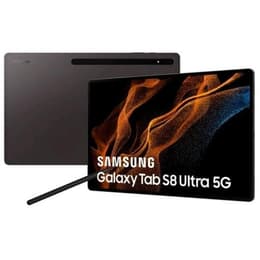
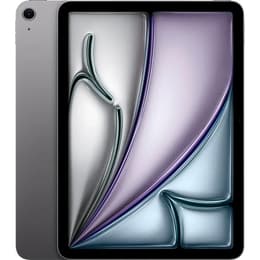
Galaxy Tab S8 Ultra (14.6", 2022) vs iPad Air 7 (2025, M3 series)
- Garantie commerciale de 12 mois
- Livraison standard offerte
- Retour gratuit sous 30 jours
Aperçu des différences
The Samsung Galaxy Tab S8 Ultra (2022) and the Apple iPad Air 7 (2025, M3 series) represent two distinct approaches to large-format portable computing. While the Galaxy Tab S8 Ultra focuses on an expansive workspace with an ultra-large screen, the iPad Air 7 centers on efficient performance driven by Apple's custom processor line. Running on Android and iPadOS respectively, these devices target users looking for high-end functionality tailored to different operating ecosystem preferences.
Modèles disponibles
Couleur
Stockage
Scores
Durabilité
When comparing longevity and durability, these two tablets reflect different release timelines and software update strategies that influence their long-term viability in daily use.
- Software Support: The iPad Air 7 benefits from a more recent release year, giving it an extended window for upcoming operating system updates compared to the older Galaxy Tab S8 Ultra.
- Build and Materials: Both models utilize rigid aluminum frames designed to withstand regular transport, though their expansive surface areas require careful handling to prevent screen impact.
- Expected Lifespan: Both devices maintain strong battery health and component durability over years of use, with quality-assured refurbished options providing a sustainable choice for users extending a device's active lifecycle.
Année de sortie
2022
2025
Compatible dernière mise à jour
Oui
Oui
Système d'exploitation
Android
iPadOS
Performances
Daily responsiveness and multitasking capabilities vary significantly based on internal hardware optimization and memory management across both tablets.
- App Loading and Multitasking: The iPad Air 7 handles demanding creative applications and heavy split-screen multitasking with exceptional fluency, while the Galaxy Tab S8 Ultra manages concurrent background apps smoothly through generous memory configurations.
- System Responsiveness: Both tablets transition between open windows and resource-heavy programs without noticeable stutter, though specialized graphic rendering tasks execute with distinct optimization depending on the platform.
- Battery Behavior: The Galaxy Tab S8 Ultra's massive display requires substantial power during extended media sessions, whereas the iPad Air 7 manages power efficiency adeptly during mixed productivity tasks.
Qualité de l'écran
Display characteristics define the primary visual experience, offering contrasting panel technologies and physical dimensions.
- Display Technology: The Galaxy Tab S8 Ultra features a sprawling Super AMOLED display with deep contrast levels, whereas the iPad Air 7 utilizes a crisp Liquid Retina LCD panel known for balanced color accuracy.
- Brightness and Outdoor Use: Both screens reach sufficient peak brightness levels for comfortable visibility in brightly lit environments or outdoor workspaces.
- Refresh Rate and Smoothness: Scrolling and pen input appear fluid across both models, accommodating fast-paced note-taking and responsive touch navigation.
Résolution
1848 x 2960
2360 x 1640
Type d'écran
Super AMOLED
Écran Liquid Retina
Densité des pixels
240ppp
264ppp
Audiovisuel
Optics and audio systems cater to remote collaboration, media consumption, and casual content capture.
- Front Camera Setup: The Galaxy Tab S8 Ultra incorporates dual wide front lenses positioned for landscape video calls, while the iPad Air 7 features a single centered ultra-wide lens equipped with automated framing capabilities.
- Media and Speaker Output: Quad-speaker arrays on both models deliver clear audio output suitable for streaming videos, virtual meetings, and listening to music without external speakers.
- Rear Optics: Rear camera suites on both tablets perform reliably for document scanning and casual snapshot photography in well-lit conditions.
Divers
Physical dimensions and connectivity options shape how each device integrates into mobile workflows and travel routines.
- Portability and Weight: The Galaxy Tab S8 Ultra provides a laptop-scale viewing area within a remarkably thin profile, whereas the iPad Air 7 offers a lighter, more compact footprint that is easier to manage in cramped environments.
- Connectivity Standards: Both devices support fast wireless networks and high-speed data transfer protocols via USB-C ports.
- Authentication: Security features differ between models, utilizing either facial recognition technology or fingerprint sensors integrated into power buttons.
Poids (en grammes)
726 g
460 g
Taille écran (pouces)
14.6
11
Réseau
WiFi
WiFi
Verrouillage opérateur
Sans port SIM
Sans port SIM
L’avis de la communauté
User discussions across online communities highlight distinct preferences for each device based on workflow needs. Owners of the Galaxy Tab S8 Ultra frequently praise its expansive screen space, which functions effectively as a digital canvas or multi-window workstation. Conversely, users often commend the iPad Air 7 for its seamless system fluidity, robust app ecosystem, and highly portable build. Common criticisms for the Samsung model focus on its sheer physical footprint making it harder to hold during casual reading, while iPad users occasionally note storage configuration limitations.
Users who prioritize maximum screen estate for split-screen multitasking and media viewing may prefer the Galaxy Tab S8 Ultra, while users who prioritize a lighter, highly responsive machine for creative tasks and travel will lean toward the iPad Air 7. Choosing between them depends entirely on whether your daily routine calls for an ultra-large workspace or a balanced, highly optimized portable platform. Eco-conscious buyers can find both models available as quality-assured refurbished options, supporting sustainable technology consumption without compromising on performance.