

Comparer les modèles
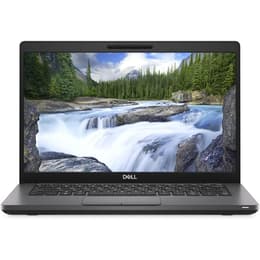
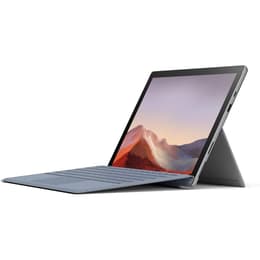
Dell Latitude 5400 14" vs Microsoft Surface Pro 7 12"
- Garantie commerciale de 12 mois
- Livraison standard offerte
- Retour gratuit sous 30 jours
Aperçu des différences
The Dell Latitude 5400 (2019) and the Microsoft Surface Pro 7 (2019) represent two distinct approaches to portable computing, offering versatile options for productivity tasks. While the Dell Latitude 5400 functions as a traditional 14-inch business laptop with a physical keyboard, the Microsoft Surface Pro 7 operates as a 12.3-inch detachable 2-in-1 device that transitions between a tablet and a laptop. Both models run on Windows operating systems and cater to users seeking reliable daily performance in different physical formats.
Modèles disponibles
Stockage
Processeur
Mémoire
Scores
Durabilité
When evaluating structural longevity and software support, both computers depend on the lifecycle of their operating system and hardware durability. Users looking for a sustainable choice can consider a quality-assured refurbished option to extend device lifecycles.
- Software Support: Both models run Windows and receive regular security updates, though their exact update longevity depends on individual configuration compatibility with newer OS versions.
- Repairability: The Dell Latitude 5400 features a traditional clamshell chassis with modular components that allow relatively straightforward component replacements. The Microsoft Surface Pro 7 utilizes a sealed tablet construction with glued components, making internal repairs significantly more complex.
- Build Longevity: The Dell model is designed to withstand standard enterprise wear and tear, while the Surface Pro relies on a rigid magnesium enclosure that requires careful handling during daily transit.
Année de sortie
2018
2020
Compatibilité Du Dernier Système D'Exploitation
Oui
Oui
Système d'exploitation
Windows 11
Windows 11
Performances
Both computers handle everyday computing tasks such as web browsing, document editing, and video streaming efficiently, but their internal configurations and thermal designs handle sustained workloads differently.
- Multitasking and Responsiveness: Configurable with various memory capacities, both machines switch between typical office applications smoothly, though extensive multitasking benefits from higher RAM specifications.
- Storage and Loading Times: Solid-state drive options ensure rapid application startup times and fast file transfers across both devices.
- Thermal Management: The traditional laptop chassis of the Dell Latitude provides broader space for heat dissipation during extended use, whereas the compact tablet form of the Surface Pro manages heat within a thinner profile.
Carte graphique
Integrated Graphics
Integrated Graphics
Qualité de l'écran
Visual output differs notably between the two devices in terms of screen size, format, and interaction methods for daily media consumption and work tasks.
- Display Technology: The Dell Latitude 5400 features a 14-inch traditional display panel suited for standard horizontal viewing, while the Microsoft Surface Pro 7 uses a 12.3-inch PixelSense touchscreen with a taller aspect ratio.
- Resolution and Clarity: The Surface Pro provides a higher pixel density for crisp text rendering, whereas standard configurations of the Dell laptop focus on anti-glare properties for office environments.
- Interactive Use: The Surface Pro screen supports direct touch input and stylus interaction out of the box, whereas the Latitude relies primarily on standard keyboard and trackpad inputs unless a touch-enabled screen configuration is chosen.
Résolution
1920 x 1080
2736 x 1824
Type d'écran
LED
IPS
Audiovisuel
Media consumption and communication features vary significantly based on the intended design of each device format.
- Webcam and Conferencing: The Microsoft Surface Pro 7 includes front and rear cameras suited for casual snapshots and video calls, alongside dual studio microphones. The Dell Latitude 5400 features a single webcam positioned above the screen for standard video meetings.
- Audio Output: The Surface Pro incorporates built-in stereo speakers directed toward the user for media playback, while the Latitude utilizes downward-firing speakers designed for flat surface reflection.
- External Audio: Both machines include standard audio jacks for connecting external headphones or microphones during calls.
Divers
Physical dimensions, weight distribution, and port selections define how easily each device integrates into mobile or stationary workspaces.
- Port Selection: The Dell Latitude 5400 offers a wide array of built-in connections including multiple standard USB ports, USB-C, HDMI, and an Ethernet port. The Microsoft Surface Pro 7 features a more streamlined selection consisting of a USB-C port, a USB-A port, a Surface Connect port, and a microSD card reader.
- Portability: The Surface Pro 7 is lighter and more compact for travel, especially when detached from its keyboard cover. The Latitude 5400 offers a larger footprint with an integrated, non-detachable mechanical keyboard.
- Wireless Connectivity: Both models support standard Wi-Fi and Bluetooth protocols for connecting wireless peripherals and networks.
Poids (en grammes)
1930 g
770 g
Taille écran (pouces)
14
12
L’avis de la communauté
User feedback highlights distinct preferences for each device depending on daily workflow habits. Owners of the Dell Latitude 5400 frequently praise its dependable physical keyboard, extensive port selection, and traditional laptop stability for desk-bound tasks. Conversely, Surface Pro 7 users often highlight the convenience of the lightweight tablet form factor, touch responsiveness, and ease of portability during travel. Users prioritizing a traditional typing experience and built-in wired connectivity often prefer the laptop design, while users valuing maximum portability and touch capabilities tend to lean toward the detachable tablet format. Exploring a sustainable, quality-assured refurbished model provides an eco-friendly alternative for acquiring either device.